When your car stalls at a red light in Midtown or refuses to start in a Galleria parking garage, the first phrase that comes to mind is “towing near me.” You want help fast, a price that makes sense, and a driver who knows exactly how to reach you without getting stuck in another traffic snarl. In a city as large and busy as Houston, the difference between a long wait and a quick rescue often comes down to how local your towing company really is.
True local coverage is more than a pin on a map. It is a dispatch team that understands Houston traffic patterns, neighborhoods, and access challenges, and a fleet staged to reach you quickly with the right truck for your situation.
This guide explains why the “near me” part matters so much. You will see how a neighborhood-focused operation cuts arrival times, reduces your total cost, and lowers the chance of damage by matching the truck to the job. You will also learn what to ask on the phone, how to prepare your vehicle while you wait, and why Houston-specific knowledge matters from the Katy Freeway to Clear Lake.
What “near me” should mean in Houston
Typing “towing near me” into your phone should return companies that can reach your cross streets quickly. The problem is that search results often show businesses that advertise citywide service but stage trucks far from your location. A company headquartered inside the Loop might still send a truck from a distant suburb, which adds time and cost. By contrast, a provider with trucks positioned across the metro can dispatch the closest unit, not the only unit that happens to be free.
Coverage beats a single address. A strong local provider maintains a mix of wheel lift trucks, flatbeds, and wreckers in zones that match real travel patterns. That means a truck near Montrose and Midtown, another near the Energy Corridor, coverage for the Heights and Spring Branch, and units staged for Sugar Land, Pearland, Kingwood, and Pasadena. When dispatch sees your location at I-10 and Taylor, they route the truck that can reach you without crossing half the city.
Why local cuts your wait time
Houston traffic is a living thing. Construction zones shift, shoulders disappear at interchanges, and weekend events crowd downtown routes. A local dispatcher knows which exits clog at certain hours, how feeder roads flow, and when to avoid a left turn across several lanes. They use that knowledge to send a driver on a route that actually works at that moment. The result is a quick tow response Houston drivers can count on. Minutes matter when you are stuck on the shoulder near an entrance ramp. The faster the truck arrives, the safer you feel and the sooner the traffic behind you clears.
How local lowers what you pay
Time is money, but distance is money too. Most towing quotes separate a base hook fee and a per-mile rate. Long distances inflate the final number. When the truck starts closer to you, there is less deadhead travel and often fewer loaded miles to your destination as well. A local team also avoids wrong turns and complicated approaches that add labor time in tight garages and townhome alleys. Fewer minutes on site and fewer miles on the road add up to affordable towing that Houston residents appreciate.
Transparent quotes help you plan. A good dispatcher can estimate your total before the truck rolls by asking the right questions and, when helpful, reviewing a quick photo you text from the scene. You should know where the base fee ends and the per-mile rate begins, and you should understand any extras like winching, after-hours service, or tolls. Clarity eliminates surprise charges at drop off.
Matching the truck to the job, fast
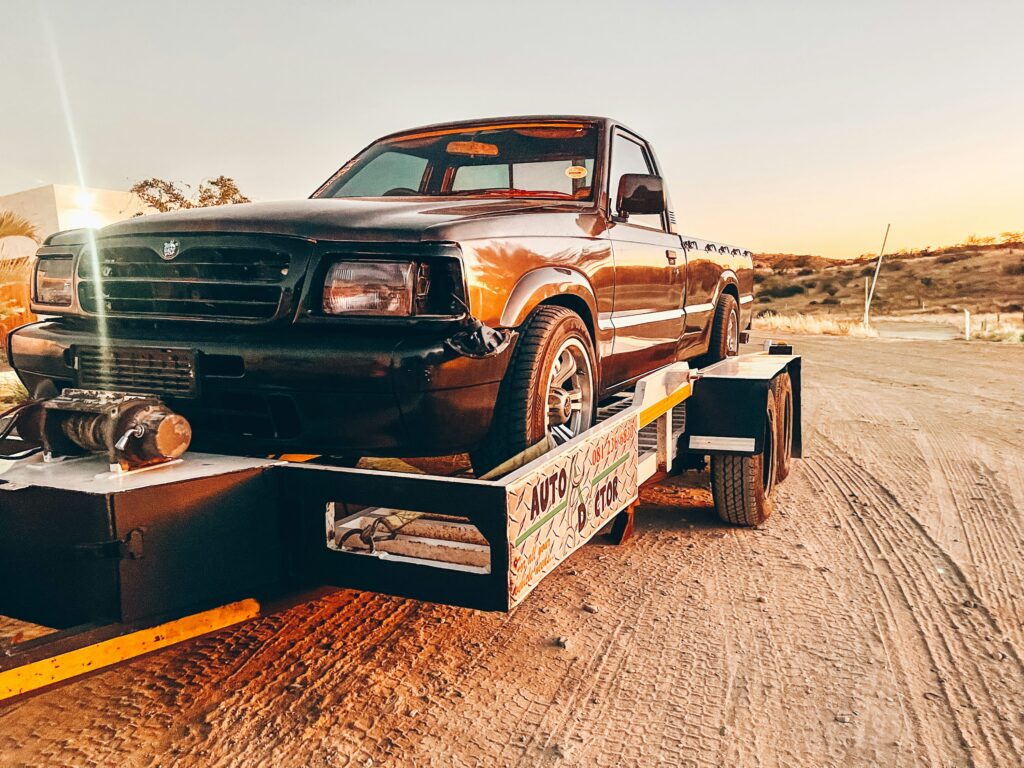
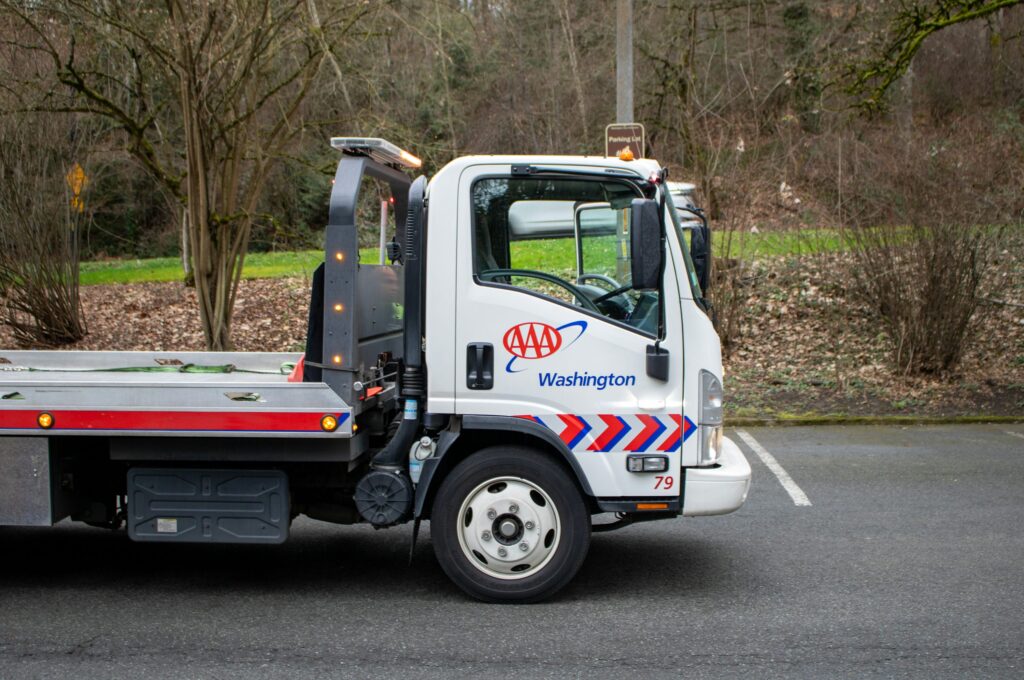
Local service is not only about proximity. It is also about sending the correct equipment the first time. Wheel lift trucks are efficient for many breakdowns in city traffic and tight lots. Flatbeds carry the whole vehicle and are ideal for All Wheel Drive, low clearance cars, and long distances. Wreckers with winches and rigging tackle recoveries from ditches, medians, and awkward curbs. When you call, a skilled dispatcher will ask a few key questions and choose the right truck so the driver arrives ready to load rather than returning to swap equipment. That choice saves time and protects your vehicle.
Real Houston situations where “near me” pays off
Breakdown on the West Loop. A driver staged near Uptown can reach you while another unit would still be fighting across town traffic. You spend less time on a narrow shoulder surrounded by fast-moving vehicles.
Apartment garage in Midtown. Low clearance entries and tight ramps demand patience and specific gear. A driver who loads cars from these garages every week will bring the right ramps and soft straps, then approach at an angle that protects your bumper and undertray.
Flooded streets in summer. If water rises above the hub line, do not start the car. A local operator knows which streets are passable and which are not, and will send a flatbed to carry the vehicle without turning the drive wheels that might have water in critical parts.
Long distance across the metro. A move from Kingwood to Sugar Land or Pearland to the Heights is smoother on a flatbed. A local team will quote the per-mile rate clearly and plan a route that avoids roadwork and big event closures.
The safety basics while you wait
Once you have a company on the way, focus on staying safe. If the car still rolls and it is legal, steer to a safer location. Use hazard lights. At night, turn on your interior light to increase visibility. If you must exit near traffic, step out on the side away from the flow and stand behind a barrier if one is close. Keep valuables with you. When the truck arrives, confirm the company name you were given by dispatch. If someone offers unsolicited help and you feel uneasy, wait for the driver you requested.
What to tell the dispatcher for the fastest help
A short, clear call makes a big difference. Share the cross streets, the direction you face, and a nearby landmark. Provide your vehicle make and model, drive type if you know it, and ride height if it is unusually low. Tell them whether the car rolls and steers, and whether there is collision or suspension damage. Decide on a destination before the truck arrives, and share any gate codes or after-hours steps. Ask for an ETA and whether you will receive text updates. If you think a flatbed is necessary, say so.
Pricing that respects your budget
A trustworthy emergency towing company will explain pricing in simple terms. Ask for the base hook fee, the per-mile rate, and any line items that apply to your situation. Clarify if the per-mile charge covers loaded miles only or door-to-door travel. If your car is in a garage, ask whether there is an access fee for extra maneuvering. If you need a winch to reposition a car with locked wheels, get that rate before the driver begins. Clear pricing is part of local roadside assistance that treats customers fairly.
How Budget Tow Garage delivers local value
Budget Tow Garage serves Houston with a fleet positioned to reduce your wait. Dispatchers look at where you are, what traffic is doing, and which unit can reach you first. They also choose the correct truck for your vehicle. You receive updates from dispatch to arrival, along with the driver’s name and the truck type. Operators carry soft straps, wheel nets, skates for locked wheels, and low-angle ramps for low cars.
They secure the vehicle at all four corners on a flatbed or choose safe tow points for a wheel lift. At drop off, they confirm the spot your shop prefers and complete a quick walkaround so you leave with clear documentation. From the first call to the final signature, the process is built for speed, care, and clarity.
Common mistakes to avoid
Waiting too long to call. Hoping the car recovers can waste precious minutes on a shoulder or inside a busy lot. Once you are safe, make the call and let a professional handle the rest.
Accepting any truck without thinking about your vehicle. All Wheel Drive, low clearance, and collision damage often call for a flatbed. Ask for it if you need it.
Guessing on the destination. Choose your shop before the truck arrives. Extra time at drop-off can add to the bill.
Skipping credentials. Licensed and insured operators protect you if something goes wrong. Ask for proof if you have doubts.
A quick checklist you can save
Confirm which truck is coming and why it is the right choice.
Confirm ETA and how updates arrive.
Confirm total estimated cost, including any extras.
Confirm destination address, access codes, and drop-off instructions.
The bottom line
Searching for towing near me should do more than bring up a phone number. It should connect you with a team that understands Houston as well as you do, shows up when they say they will, and treats your vehicle with care from the first touch to the final handoff. Local knowledge shortens the wait, keeps costs in check, and reduces risk during loading and transport. If you want a calm, dependable solution anywhere in the city, call Budget Tow Garage for local roadside assistance, clear pricing, and a quick tow response that Houston drivers trust. The right help nearby turns a stressful moment into a straightforward service call.