Your car coughs at a light in Midtown and refuses to move. Maybe you clipped a curb in the Heights, and the wheel will not straighten. The first instinct is to grab your phone and search for a tow truck near me. That search can save your day or lead to a long wait and surprise charges if you do not know what to look for. In a city the size of Houston, picking the right team matters. You want someone close, honest about pricing, careful with your vehicle, and equipped with the right truck for your situation.
This guide gives you a simple checklist for that moment. You will learn how to read towing company reviews Houston residents leave without getting fooled by generic praise, how to confirm that you are dealing with certified towing operators, and how to ask for a quote that separates base fees from per-mile rates. You will also see what information to share so dispatch sends the correct truck and how 24/7 towing Houston coverage should actually work when it is late, raining, or both.
Start with location, but verify real coverage.
Typing tow truck near me should pull up companies close to your cross streets. The catch is that some firms advertise citywide but stage trucks far from your area. When you call, ask where the nearest truck is right now and which direction it will approach from. If the dispatcher hesitates or gives a vague window without an updated ETA, you may be dealing with a distant provider. A strong local operation will know your exit and feeder roads, give a realistic timeline, and send status updates as the truck heads your way.
Look beyond star ratings.
Star ratings help, but context matters more. Scan the towing company reviews that Houston drivers have posted and look for details that sound like real scenes. The most useful reviews mention cross streets, truck type, and how the operator handled a tricky load, such as a low clearance car or a locked wheel. Reviews that simply say great service with no specifics do not tell you much. If multiple customers mention damage-free loading in tight garages or quick arrival during rush hour, that is a better sign than a wall of short, generic praise.
Confirm credentials in one sentence.
You do not need a long interrogation. Ask a simple question. Are your drivers licensed and insured, and can your operator show proof on arrival? Professional teams answer yes and move on. Certified towing operators train on rigging, tie downs, and local safety practices. They carry insurance that covers your vehicle while loading, on the truck, and at drop off. If a dispatcher dodges this topic, pick another company before the truck rolls.
Describe your vehicle and scene clearly.
The more precise you are, the better your outcome. Share make and model, drive type, if you know it, and any modifications that affect clearance. Tell dispatch whether the car rolls and steers, whether a wheel is locked, and whether there is collision or suspension damage. Say if you are in a garage, on a narrow shoulder, or perched on a curb. These details help dispatch pick between a wheel lift, a flatbed, or a wrecker with recovery gear. The right choice prevents delays and protects your car.
When you should request a flatbed
Ask for a flatbed if your vehicle is All Wheel Drive, very low, damaged in the steering or suspension, or needs a longer cross-town haul. A flatbed keeps all four tires on the deck and reduces risk during transport.
When a wheel lift is fine
If your sedan or small SUV sits on level ground, rolls and steers, and needs a short trip, a wheel lift can be faster and perfectly safe. The operator will lift one axle and secure the other with dollies if required.
When you need a wrecker
If the car is stuck on a curb, down in a swale, or cannot be rolled without a controlled pull, ask for a wrecker. Recovery gear, such as winches, skates, and soft shackles, moves the car safely before transport.
Get pricing clarity before the hook touches the car.
A fair quote is simple. Ask for the base hook fee, the per-mile rate, and any extras such as winching or after-hours service. Clarify whether the per-mile charge covers loaded miles only or door-to-door travel. Ask if there are labor charges for tight garages or long waits at a gated community. A dispatcher who handles these questions every day will give you a number you can plan around and will not push for payment before a truck is assigned.
If you can safely do so, text a photo of the scene. A single image helps the dispatcher estimate labor, choose truck type, and lock in the right price. When the operator arrives, expect a quick walkaround and a confirmation of the same numbers you heard on the phone.
Communication that reduces stress
Silence on a shoulder feels like forever. A professional team sends updates by text, including the driver’s name, truck type, and a live ETA. If traffic thickens on the West Loop, the ETA should adjust. When the driver is a few minutes out, you should get a message with instructions on how to make the pickup safer, such as turning on interior lights at night or staying inside the vehicle until the truck stops behind you. That is what roadside breakdown help should feel like in practice.
Safety steps while you wait
Your safety comes first. If the car still moves and it is legal, steer to a safer spot. Turn on hazard lights. At night, switch on the interior light to increase visibility. Exit on the side away from traffic and stand behind a barrier if one is near. Keep valuables with you. If someone you did not call offers help, wait for the truck you requested and confirm the company name and the driver’s name that dispatch provided.
How to prepare for a smooth drop off
Choose your destination before the truck arrives and gather any gate codes or after-hours instructions. Many shops have preferred drop points and paperwork boxes. If the shop is closed, ask the dispatcher how the driver will document the drop. A quick set of photos and a signature with the address and time gives you a clean trail for your records or for insurance.
What a careful load looks like
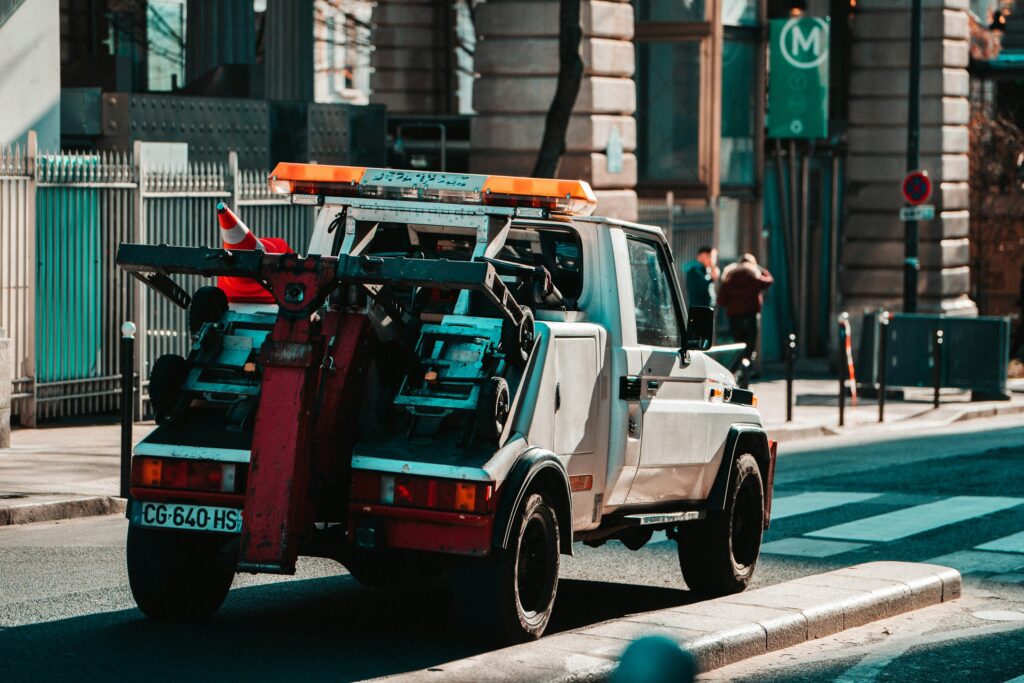
Loading technique protects your vehicle. On a flatbed, look for wheel nets at all four corners and soft straps that avoid painted panels and suspension arms. On a wheel lift, the operator should use proper tow points and avoid hooking to control arms or tie rods. For low cars, the driver should use low-angle ramps or boards. If a wheel is locked, skates or go jacks allow motion without dragging rubber. Professional operators explain each step and welcome questions.
Late-night calls and true 24-hour coverage
A company that advertises 24/7 towing Houston-wide should actually answer late calls, not reroute you to voicemail. After midnight, staffing is thinner everywhere, but real round-the-clock coverage still provides a clear ETA and a choice of truck types for common needs. Pricing should not suddenly change without explanation. If you hear confusion or shifting numbers, hang up and call a different provider before time is wasted.
Red flags that say try another company
Pushy payment demands before dispatch assigns a truck.
No clear answer about licensing and insurance.
A refusal to estimate the total cost even after you provide details.
A promise of a very short ETA with no updates or driver info.
Reviews that mention damage and poor communication without responses from the company.
If you see two or more of these, search tow truck near me again and pick a different number.
Common Houston scenarios and the best response
Breakdown on I-10 at rush hour. Share your exit, direction of travel, and lane position. Ask the dispatcher to place the truck behind you to shield your car from traffic. Expect a quick arrival if the company stages trucks near Uptown or the Heights.
Apartment garage in Midtown. Tell dispatch the level, stall number, and clearance. Ask the operator to bring low-profile ramps and soft straps. Expect patient maneuvering and a little extra time for safe angles.
Flooded street after a storm. Do not start the engine if water reaches the hub line or higher. Request a flatbed and tell dispatch how deep the water was. The truck should carry your car on the deck to avoid spinning contaminated bearings or stressing wet electronics.
Long cross-town haul. From Kingwood to Sugar Land or Pearland to the Heights, a flatbed provides a smoother ride. Confirm the per-mile rate and route plan to avoid construction bottlenecks.
How Budget Tow Garage handles your call
When you search for tow trucks near me and reach Budget Tow Garage, the dispatcher asks focused questions, looks at traffic, and assigns the closest suitable unit. You receive a text with the driver’s name, truck type, and a live ETA. Operators arrive with the right equipment for your scene. Wheel nets, soft straps, skates for locked wheels, and low-angle ramps are standard. Pricing is explained in plain language before loading begins, and it matches the quote you heard on the phone. At drop off, the driver confirms the spot your shop prefers, takes photos, and secures any keys according to your instructions. The goal is a calm recovery from the moment you call to the final signature.
A quick checklist you can save
Verify nearest truck and ETA with updates.
Confirm licensing, insurance, and that a certified towing operator is on the way.
Describe vehicle details and the scene so the right truck is dispatched.
Get a clear quote with base fee, per mile, and any extras.
Choose a destination and gather codes before pickup.
Expect damage-free loading, clear communication, and photo documentation.
The bottom line
A smart tow truck near me search is about more than proximity. It is about picking a Houston team that shows up quickly, protects your vehicle, and treats you with respect on price and communication. Verify coverage, read reviews with context, confirm credentials, and share the details that help dispatch send the right truck. Do that, and a stressful moment turns into a straightforward service call. When you want the process handled with care from first ring to final drop, call Budget Tow Garage for dependable roadside breakdown help, honest quotes, and responsive 24/7 towing Houston drivers trust.