A calm plan beats a roadside panic every time. When your car quits on US 59 or hums into limp mode on the West Loop, you want the right truck, the right operator, and a ride that treats your vehicle with care. For many situations, that means flatbed towing. It is not just a nicer-looking truck. It is a method that carries your car completely off the ground, reduces wear during transit, and cuts the risk of damage that can happen when only two wheels roll behind a tow truck. Knowing when a flatbed is the smarter choice helps you avoid costly mistakes and gives you peace of mind from pickup to drop off.
What flatbed towing actually is
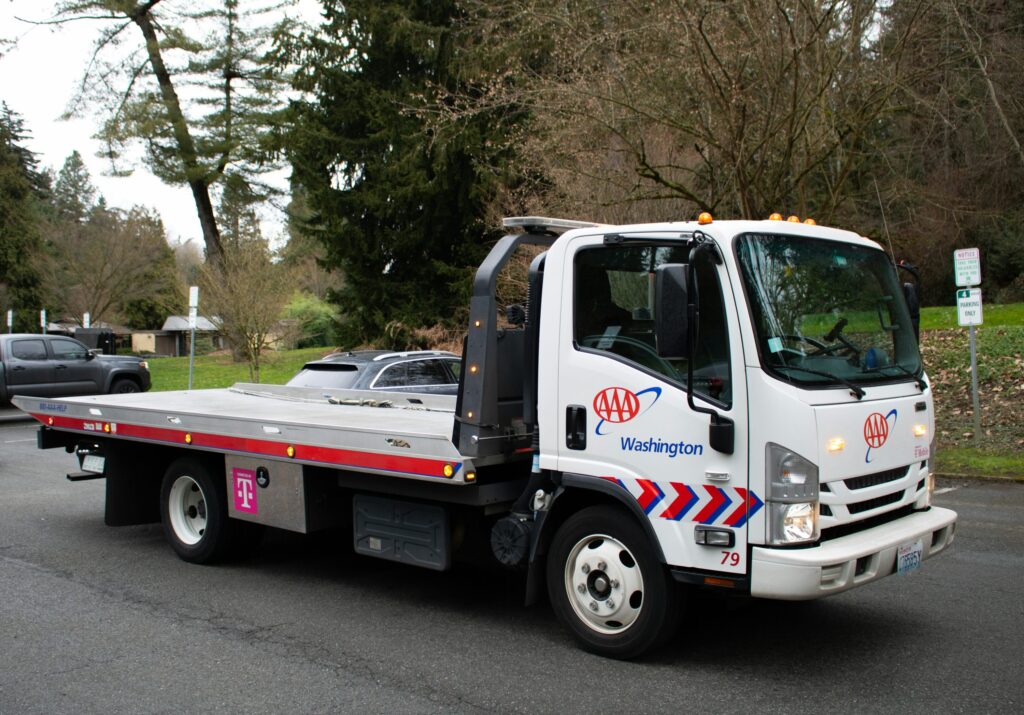
With flatbed towing, your vehicle rides on a steel or aluminum deck. A hydraulic system tilts the deck, a winch brings your car up, and the deck levels for transport. There is no dragging, no drive wheels turning, and minimal stress on the drivetrain. The operator secures the car at all four corners with wheel straps or nets, checks tension, and then heads to your destination. Because the entire car is supported, it is one of the safest ways to move a vehicle in a dense and busy city like Houston.
When a flatbed is the right call
All Wheel Drive and performance cars
All Wheel Drive systems send power to both axles. If only one axle is lifted, the other can still rotate and stress internal parts. That is why most AWD owners’ manuals recommend flatbed towing. Performance cars also benefit since low lips, splitters, and undertrays can catch when loading with other methods. A low-angle deck and soft straps protect those details.
Low clearance vehicles and custom builds
Houston is full of enthusiasts who run coilovers, air suspension, and custom exhausts. These setups sit close to the pavement. A flatbed with long ramps or extension boards keeps approach and departure angles shallow, which prevents scraping. If you spend weekends at MSR Houston or meetups near Memorial Park, plan on flatbed service whenever you need a tow.
Suspension or steering damage
After a curb strike on Westheimer or a fender bender at a Beltway feeder, wheels may not point straight, and control arms can bend. Rolling a damaged car behind a wheel lift can worsen alignment and tire wear. A deck carry isolates the car from road shock and eliminates sideways scrub during turns.
Exotic, classic, or luxury vehicles
From vintage trucks in the Heights to modern exotics near River Oaks, collector vehicles deserve gentle treatment. Flatbed towing avoids putting miles on rare drivetrains, keeps brake rotors free of tow strap rub, and reduces road debris contact. Operators can position wheel nets precisely and use paint-safe gear for tie-down points.
Long-distance towing across the metro
If your destination sits clear across town, a deck ride is smoother and more predictable. Long-distance towing from Kingwood to Sugar Land, Pearland to the Heights, or Cypress to the Med Center keeps the car secure over rough patches, heat-soaked pavement, and stop-and-go traffic. It also prevents transmission heat from rolling miles behind the truck.
Flooded vehicles and water intrusion
Storms are part of Houston life. If water climbs above the hub line, do not start the engine. Request a flatbed towing unit and tell the dispatcher how high the water reached. A deck load avoids pushing water deeper into exhaust or intake paths and keeps contaminated wheel bearings from spinning.
Motorcycles and small equipment
Bikes, UTVs, and compact construction gear travel best on a deck. Wheel chocks and soft tie points keep frames upright, and the winch provides smooth control during loading. If you run deliveries or construction in Midtown or the East End, a flatbed saves time and prevents tip-overs.
How flatbed towing protects your vehicle
The key is full support and security. On a flatbed, the car sits on its tires as it would in a parking spot. Wheel nets and soft straps compress the suspension slightly and hold the car steady without touching painted panels or suspension arms. The operator controls the loading angle, which shields the low bumpers and avoids underbody contact. During transit, there is no drivetrain rotation, which is especially important for dual clutch transmissions, transfer cases, and limited-slip differentials. When you arrive, the same careful process runs in reverse. It is predictable, repeatable, and gentle.
The process, step by step
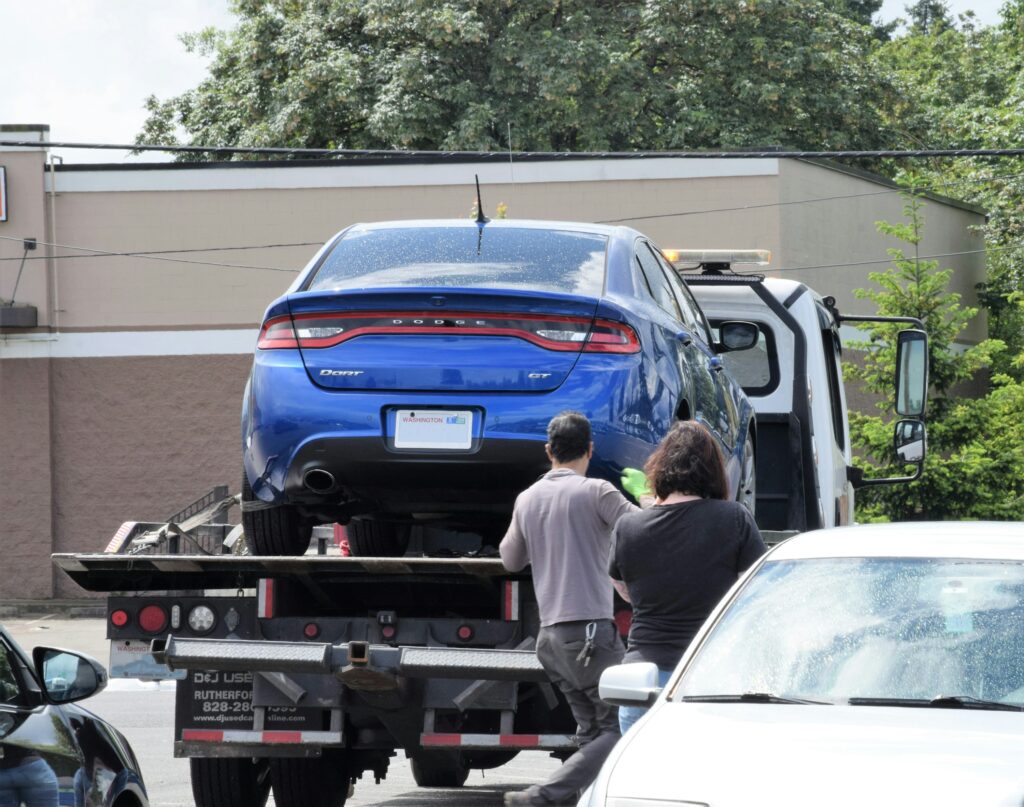
A professional operator will position the truck in line with your vehicle when space allows. The deck tilts, and the winch line connects to an approved recovery point or a soft sling around a frame area that will not damage components. If a wheel is locked, skates or go jacks let the car move without dragging. Once the car sits centered on the deck, the operator applies wheel nets at all four corners, checks tension, and secures a safety chain if required by policy. After a short roll, the driver stops to recheck the straps. At the destination, the operator confirms access, aligns the deck with the parking spot or shop bay, and lowers the car smoothly.
Pricing and what to ask before you book
Good companies make pricing easy to understand. Ask for the base hook fee, the per-mile rate, and any add-ons such as winching, after-hours service, or tolls. For apartment garages or tight alleys, ask if there is an access or extra labor charge. Confirm whether the quote is door-to-door or loaded miles only. Share the exact destination and any gate codes so the truck is not waiting on arrival. A clear quote and complete directions prevent surprises.
Preparing your car for a flatbed tow
If it is safe to do so, remove valuables and take a quick photo of each side. Place the car in neutral if the transmission allows it and set the parking brake only if the operator instructs you to do so. Keep the key or fob ready, and tell the driver about any quirks, such as a removable front lip or an aftermarket cutout switch. At drop off, confirm where the shop wants the car and whether they need the key left in a lockbox.
Houston-specific challenges and how a flatbed helps
Traffic density on I-10, US-59, and I-45, narrow shoulders near interchanges, and frequent construction zones all complicate roadside work. A flatbed allows faster, safer clearance because the operator can load and leave in one pass rather than lifting and adjusting in live traffic. In older inner loop neighborhoods, alleys and townhome drives leave little room to maneuver. A skilled driver can angle the deck, use wireless controls, and load from tighter approaches that a wheel lift would struggle to handle. During summer heat, carrying the car prevents hot tire scuff and protects soft compound performance tires.
What to tell the dispatcher
Give cross streets, the direction you were traveling, and any landmarks. Share your vehicle make, model, and drive type if known. Mention ride height, aftermarket lips, or air suspension. If the car has damage, describe it clearly. Tell them the destination, the preferred bay or spot, and the best contact on arrival. Ask for flatbed towing specifically and confirm the ETA and pricing before the truck rolls.
Skills and equipment that separate a great operator from the rest
Training shows in the small decisions. Look for wheel nets in good condition, low-profile ramps or boards for low cars, soft straps for painted tow points, and skates for locked wheels. A tidy deck with tools in their places is a good sign. A great operator explains each step, welcomes questions, and points out anything that could affect the drop off. Professionalism is not just a clean truck. It is calm communication, careful loading, and a focus on your safety while you wait.
Myths about flatbed towing
Some drivers think flatbeds are only for exotics. The truth is, they are often the right tool for everyday cars when the distance is long or damage is present. Others assume flatbeds always cost more. Pricing depends on distance and labor, not only the truck type. If a wheel lift requires extra setup or multiple stops, the total can match or exceed a simple deck carry. Another myth is that all flatbeds are the same. Operator skill makes the difference. The best trucks in the world cannot protect a car if they are used with poor technique.
How Budget Tow Garage approaches flatbed calls
Budget Tow Garage runs flatbeds across the Houston area with coverage that reaches the Loop, the suburbs, and the corridors between. Dispatchers ask smart questions up front, then send the closest suitable unit rather than whatever is free. Operators carry low-angle ramps, wheel nets, and soft straps for safe vehicle loading, along with skates for locked wheels and wireless controls for tight approaches. Pricing is explained before the hook, and you receive updates from dispatch to arrival. Whether you need exotic car transport, a careful move for a low clearance build, or long-distance towing across town, the team treats your vehicle as if it were their own.
A quick decision guide can save you
If the car is All Wheel Drive, choose a flatbed.
If ground clearance is low, choose a flatbed.
If suspension or steering is damaged, choose a flatbed.
If the trip is long across Houston, choose a flatbed.
If the vehicle is luxury, classic, or custom, choose a flatbed.
The bottom line
Not every breakdown needs the same solution, but many situations benefit from flatbed towing because it protects your vehicle from the moment the deck tilts to the moment it rolls off at the destination. In a city like Houston, with busy freeways, surprise storms, and tight urban parking, a full deck carry often means a safer, faster, cleaner outcome. If you want clear pricing, careful handling, and a calm process that respects your time, call Budget Tow Garage. The right truck, the right operator, and the right plan turn a stressful moment into a smooth handoff at your mechanic’s or driveway.