Wrecker Services Houston: You are driving along the West Loop and a tire blows. The wheel catches a curb, and the car hops into the median. You try to back out, but the bumper hangs and the tire will not rotate. This is the kind of moment when a regular tow may not be enough. You need a team with recovery tools, careful rigging, and the know-how to move a stuck vehicle without adding damage. That is the job of wrecker services that Houston drivers rely on during the roughest roadside situations.
A wrecker operator does more than tow. Recovery means assessing angles, anchoring the truck safely, choosing pull points that protect the body and frame, and moving the vehicle in a controlled way. Understanding what wreckers do, when to call one, and how the process works will save you time, money, and stress the next time a simple tow is not an option.
What wrecker services actually include
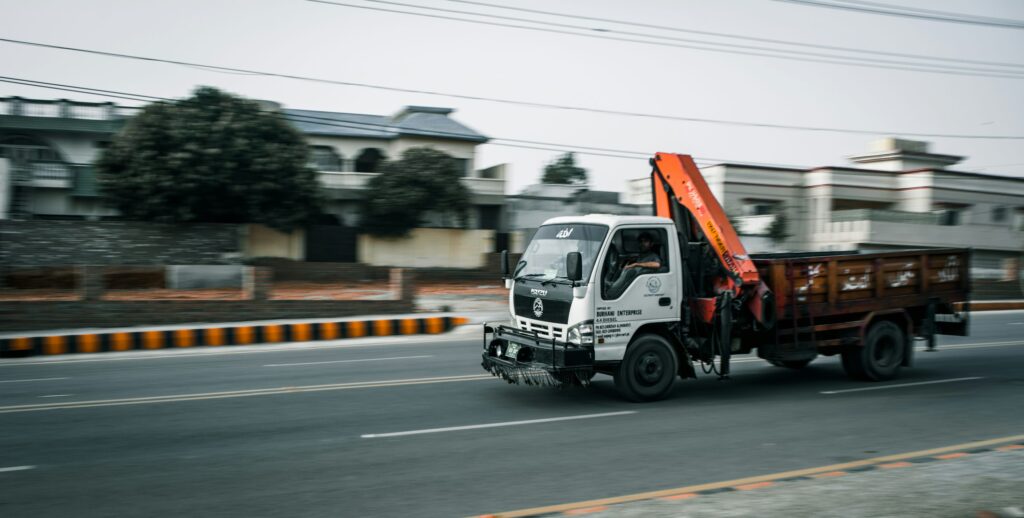
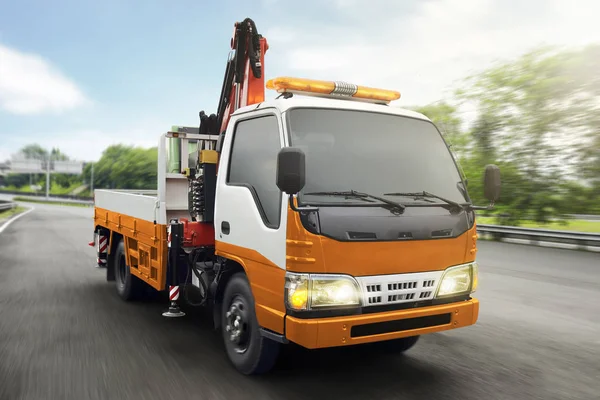
At the most basic level, a wrecker is a truck equipped with one or more winches, rigging, and specialized gear that allows controlled pulls. The service covers far more than point A to point B transport. It often includes:
Controlled winching and uprighting
Winches apply a steady force to pull a vehicle out of a ditch, over a curb, or back onto its wheels after a tip. Operators use blocks and anchors to manage direction and force so the car moves predictably.
Stuck and off pavement retrieval
If a vehicle rests in mud after a Gulf storm, straddles a concrete parking stop, or sits nose-first in a drainage swale, a wrecker can reposition it before loading.
Accident towing with debris management.
After a collision, the wheels may not roll, panels may be loose, and parts may drag. Recovery techs secure those pieces, document the condition, and clear enough space to load the vehicle safely. This is a core part of accident towing.
Light and medium-duty commercial vehicles help
Box trucks, service vans, and small equipment sometimes need a controlled pull before transport. Heavy-duty wrecker trucks handle the larger cases while light-duty wreckers manage smaller recoveries.
Load shift corrections
When cargo moves inside a light commercial vehicle and the vehicle leans or digs a wheel, a wrecker can stabilize and help reposition without further damage.
Wrecker vs standard towing
Not every incident calls for a wrecker. A standard wheel lift or a flatbed tow is perfect when the car sits on level ground and rolls and steers normally. A wrecker becomes necessary when force must be applied to free the vehicle or when an upright or reposition is required before loading. Here is a simple rule. If the vehicle cannot be rolled onto a flatbed or pulled by a wheel lift without first moving it away from an obstacle or out of a stuck position, you want a wrecker and a trained recovery operator.
Common Houston scenarios that call for recovery
Median and curb hangs
Houston medians and tall parking stops catch bumpers and crossmembers. If the underside is perched on concrete, rolling back can rip panels and bend suspension arms. A wrecker uses skates, soft straps, and a controlled lift to clear the obstacle before loading.
Ditch and embankment pullouts
Feeder roads along I-10, US-59, and Beltway 8 have drainage swales. A gentle winch line, placed on a proper tow point, pulls the vehicle up the slope without spinning wheels or grinding bodywork.
Flood and soft ground extractions
After heavy rain, shoulders turn soft. Wheels bury and frames touch mud. Spinning digs deeper. A recovery operator uses boards, cribbing, and a steady pull to free the vehicle. After water exposure, a flatbed is the safest ride.
Parking garage and tight urban recoveries
Low clearances and tight turns near Midtown or the Med Center can trap a car against a pillar or a curb. Wrecker gear allows micro movements with precise control, so the vehicle comes free without further scrapes.
Light commercial incidents
Small box trucks that slide a rear wheel off a loading dock edge or service vans stuck on a construction site need a stabilizing pull before any transport can begin. That is a recovery task, not a standard tow.
Safety first while you wait
Before the truck arrives, think about safety. If you can, move away from live traffic. Turn on hazard lights. At night, turn on the interior light to increase visibility. Keep valuables with you and wait in a safe location. If the car is unstable on an incline, do not attempt to push or rock it. The recovery team will stabilize the scene with proper equipment.
How a professional recovery works step by step
Rapid assessment
The operator evaluates terrain, traction, resting points, and potential hazards like leaking fluids or sharp edges. They plan a pull path that protects the vehicle and keeps bystanders safe.
Anchoring and rigging
The wrecker anchors to a secure point and rigs with soft shackles, straps, and snatch blocks to control direction and reduce force at any single point. The goal is movement without shock loads.
Protecting contact points
Good teams never hook to suspension arms or thin sheet metal. They use manufacturer tow eyes when available, frame-rated areas when not, and protect painted edges with sleeves and guards.
Controlled movement
The winch applies steady power while the operator watches wheel angle, body clearance, and strap tension. If a wheel is locked, skates or go jacks allow motion without dragging rubber across concrete.
Load and secure for transport
Once the vehicle is free and positioned, the operator chooses the right transport. A flatbed handles most post-recovery moves, since it keeps the vehicle fully supported. Wheel nets secure all four corners. The driver rechecks the tension after a short roll.
Equipment that makes recovery safer and cleaner
Modern wreckers carry gear that protects vehicles and speeds the job.
Synthetic winch line reduces recoil and weight compared to steel cable.
Soft shackles and protective sleeves guard paint and body edges.
Wheel skates and go jacks move locked wheels without scrubbing.
Edge protectors and rubber pads keep straps from marking panels.
Low-profile ramps and cribbing boards control approach angles.
This combination allows damage-free towing once the recovery is complete, which is the standard you should expect.
Pricing and what to expect on a wrecker invoice
Recovery pricing is different from a simple tow. Ask for clarity before the work begins.
Hook fee. The base cost to send the wrecker to your location.
Winch or recovery time. Billed in increments for the period when the operator actively rigs and pulls.
Loaded mileage. The per-mile rate for transport after recovery.
Scene time. Standby while police or property managers clear the area, if applicable.
After-hours surcharge. If your call comes late at night or on a holiday.
Storage. If the vehicle must be secured at a lot overnight.
A transparent dispatcher will estimate all of these based on your description and photos. Share exact details. The more they know, the more accurate the quote.
Insurance and documentation
After a collision, documentation matters. Take photos of the scene if it is safe to do so. Photograph each side of the vehicle, the position it rests in, and any loose parts. When the operator arrives, expect a quick walkaround and notes on existing damage. Keep two receipts and any contact information for officers or property managers. If your insurer needs to review the recovery, a clear paper trail speeds decisions and reimbursements.
Choosing a wrecker partner in Houston
Experience and credentials make a difference. Look for a company with dedicated recovery operators and a track record of vehicle recovery, Houston-wide. Ask what size wreckers they run and which areas they cover. A provider that runs both light and heavy-duty wrecker trucks can send the right unit the first time. Confirm licensing and insurance. Professional teams carry proof and will share it without hesitation. Ask about training and equipment. The best operators can explain exactly how they will protect your car or truck before a hook ever touches metal.
What to tell dispatch for the fastest help
Clear information lets dispatch send the correct truck and gear.
Your exact location, cross streets, and travel direction
Vehicle make, model, drive type, and ride height if unusual
Where the vehicle is stuck and what it is touching
Whether wheels turn, steer, or are locked
Any fluids leaking or hazards present
Your destination and any gate codes or after-hours steps
Text photos if you can do so safely. A single image often answers several questions and prevents a wrong equipment choice.
How Budget Tow Garage handles recovery calls
Budget Tow Garage treats recovery as a specialty, not an afterthought. Dispatchers ask focused questions, review photos, and assign an operator with the right truck for your scene. On a curb hang in the Heights, they may send a light wrecker with skates, soft shackles, and low-angle boards. For a van stuck behind a warehouse near the Beltway, they will choose a stronger unit with extra rigging.
The team aims for damage-free towing after the vehicle is free, which means careful tie-down at four corners and a second tension check after a short roll. Pricing is explained before the pull begins. You receive updates from dispatch to arrival, along with the operator’s name. The goal is simple. A safe scene, a clean recovery, and a smooth drop at your chosen shop.
A quick decision guide can save you
Call for wrecker services when the vehicle is stuck, perched, or off pavement.
Ask for a flatbed after recovery if wheels do not roll or if the car is All Wheel Drive.
Share photos and clear details for a precise quote.
Confirm hook fee, per-mile rate, recovery time, and any storage in advance.
Keep receipts and photos for insurance.
The bottom line
Wreckers are the problem solvers of roadside work. When a car is wedged on a curb, buried in soft ground, or disabled after a collision, a careful recovery is the safest path forward. Wrecker services Houston drivers can trust combine planning, protective gear, and steady control so your vehicle comes free without new damage. If you want a team that treats your time and your car with care from the first phone call to the final handoff, Budget Tow Garage is ready to help with honest pricing, trained operators, and citywide coverage built for real Houston conditions.